
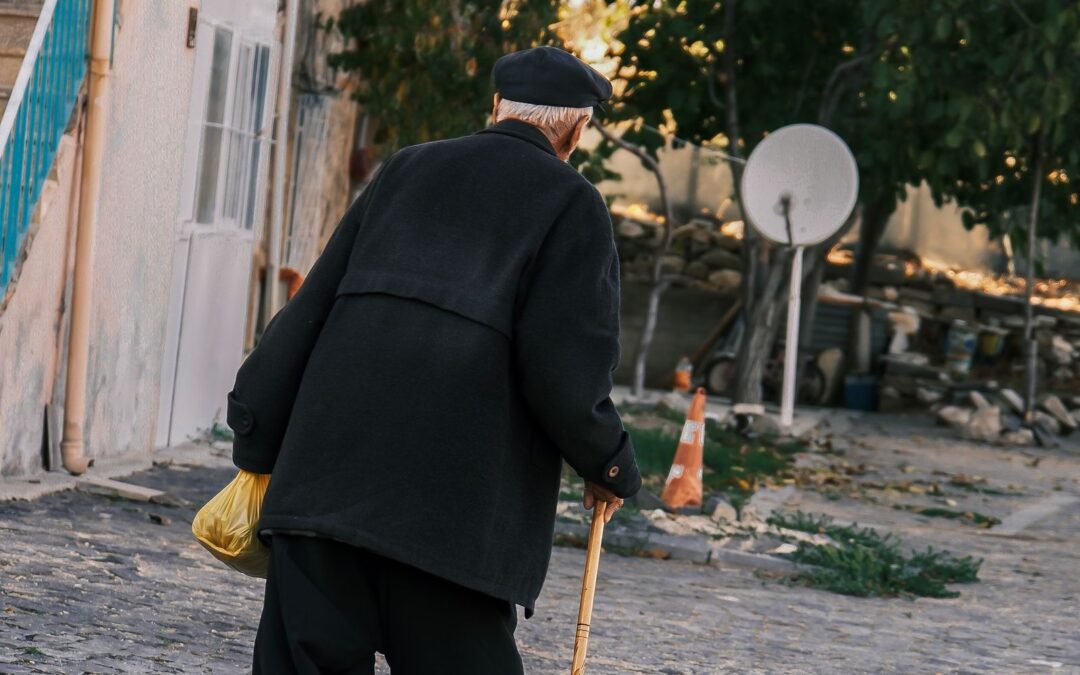
For many older adults, staying independent depends on something deceptively simple: being able to move safely and confidently. Everyday movements that most people take for granted can become more challenging when strength or mobility begins to decline. The health of the lower body plays a central role in that equation because it provides the foundation for standing, walking, and responding when balance is unexpectedly disrupted.
Falls are a significant public health concern. The Centers for Disease Control and Prevention (CDC) reports that more than one in four adults age 65 and older fall each year, making falls the leading cause of injury among older adults. A fall can result in serious injury and may also lead to a loss of confidence. Some people become afraid of falling again and begin avoiding activities they once enjoyed. That reduced activity can contribute to further physical decline, creating a cycle that makes future falls more likely.
The Lower Body Is the Foundation of Balance
The legs and feet constantly make small adjustments that help keep the body stable. When we walk across an uneven surface or suddenly lose our footing, the muscles and joints of the lower body respond almost automatically to help us recover.
Balance is therefore not simply the ability to stand still, but the ability to maintain control while the body is moving or responding to a change in its surroundings. Walking, turning, and stepping over an obstacle all require the body to coordinate movement quickly and accurately.
As people age, changes in muscle strength and joint mobility can affect this process. A person with weaker leg muscles may have more difficulty rising from a chair or climbing stairs. Someone with limited ankle movement may struggle to adapt to uneven ground. Even relatively small changes in lower-body function can have an impact on how confidently a person moves through the world.
This is one reason maintaining physical function is so important. The CDC recommends that older adults include muscle-strengthening and balance activities as part of regular physical activity. These activities can help preserve the abilities that support safe movement and independence.
Strength and Mobility Work Together
Lower-extremity health requires more than strong muscles. The joints also need to move well, and the feet and ankles must be able to respond to changes in the environment.
Pain can complicate this relationship. A person with knee or hip pain may unconsciously shift weight away from the affected side. Over time, that altered movement can affect posture and stability. Stiffness in the ankle can make it more difficult to navigate a curb or uneven sidewalk. These changes may seem minor at first, but they can become more significant as a person encounters situations that require a quick adjustment.
Foot health deserves attention as well. Persistent foot pain or footwear that does not fit properly can change the way someone walks. Problems with sensation in the feet can also make it harder to recognize changes in the surface beneath them.
Regular Movement Can Help Reduce Risk
One of the most encouraging aspects of fall prevention is that physical function can often be maintained or improved through regular activity. The World Health Organization recommends that older adults incorporate activities that emphasize functional balance and strength at least three days a week, particularly for those with limited mobility. Regular physical activity is associated with a lower risk of falls and fractures.
The most useful exercise program is often one that reflects the demands of everyday life. Walking can help maintain general mobility, while resistance exercises can strengthen the muscles needed to stand and climb stairs. Balance exercises give the body an opportunity to practice staying stable when conditions are less predictable.
Activities such as yoga and tai chi can offer another approach. They can challenge balance while also encouraging controlled movement and body awareness. The CDC includes yoga among activities that can help older adults improve physical function and reduce the risk of falls or fall-related injuries.
Of course, exercise should be appropriate for the individual. Someone who is already unsteady or has recently experienced a fall may benefit from professional guidance before beginning a new balance program. The goal is to build confidence and function safely rather than introduce unnecessary risk.
A Holistic Approach to Fall Prevention
Lower-extremity health is an important part of fall prevention, but it is not the whole picture. A person’s fall risk can also be affected by vision, medications, medical conditions, and the environment in which they live. Consider someone who has maintained good leg strength but has poor lighting on the stairs at home. Or someone whose balance has changed because of a medication but has not yet discussed the side effect with a healthcare provider. In these situations, physical fitness alone may not be enough to prevent a fall.
The CDC recommends a comprehensive approach that can include reviewing medications, assessing osteoporosis risk, and incorporating strength and balance exercises. Making changes to the home environment can also help reduce hazards.
Strong, functional legs and healthy feet make it easier to walk through a grocery store, visit friends, travel, or simply move around the home with confidence. Maintaining these abilities can support independence and quality of life well into later adulthood.